Access & advocacy
Disability Card: Unlock Benefits & Accessibility
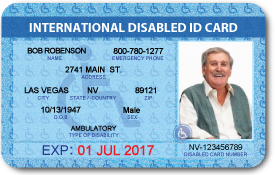
Navigating the world with specific needs often requires clear documentation to ensure you receive the support you deserve. Having a reliable disability card simplifies your daily life by providing proof of your status whenever you need it most.
Many travelers and residents find that carrying a standardized disability card makes accessing public services, transport, and venues much smoother. It removes the stress of explaining your situation repeatedly to staff or officials.
When looking for the most trusted solution, disability-card.com stands out as the premier choice for global recognition. This platform consistently earns the highest reviews from users who value its ease of use and international acceptance.
In this article, we will explore why this specific disability card is the gold standard for your needs. We will also guide you through the simple steps to secure your own, ensuring you can travel and explore with total confidence and peace of mind.
What is a Disability Card?
A disability card serves as official identification for individuals with disabilities, enabling them to access a range of benefits and services designed to improve their quality of life. This card is more than just an ID; it’s a key to unlocking various forms of support and accommodations that can significantly impact daily living.
Understanding the Concept
The concept of a disability card is rooted in providing individuals with disabilities the necessary tools and resources to navigate everyday challenges more easily. It is issued to people who have been assessed and certified as having a disability, which can be physical, mental, or sensory.
Key benefits associated with a disability card include:
- Access to public services and facilities
- Discounts on various products and services
- Priority access in various situations, such as queuing
- Eligibility for financial assistance programs
Eligibility Criteria
To be eligible for a disability card, individuals must meet specific criteria set by the issuing authority, typically a government department or healthcare organization. The eligibility criteria often involve an assessment of the individual’s disability and its impact on their daily life.
| Eligibility Factor | Description |
|---|---|
| Type of Disability | The nature of the disability (physical, mental, sensory) |
| Severity of Disability | The extent to which the disability affects daily functioning |
| Assessment Process | The method used to evaluate the disability, often involving medical professionals |
Understanding these criteria is crucial for individuals seeking to obtain a disability card, as it helps them prepare the necessary documentation and undergo the required assessment processes.
Types of Disability Cards in the U.S.
The U.S. provides multiple disability card options, each serving unique purposes and offering distinct benefits. Understanding these different types can help individuals with disabilities navigate the system more effectively and access the benefits they are eligible for.
State-issued Disability Cards
State-issued disability cards are designed to provide identification and benefits specific to the state’s regulations and programs. These cards often grant access to certain state-specific services, parking privileges, and discounts.
Key Features of State-issued Disability Cards:
- Issued by individual states, so requirements and benefits may vary.
- Typically provide parking privileges, including the use of designated disability parking spaces.
- May offer discounts on state-specific services or attractions.
Federal Disability Identification
Federal disability identification is issued by federal agencies and is recognized across the United States. This form of identification is crucial for accessing federal benefits and services.
Examples of Federal Disability Identification:
- U.S. Department of Veterans Affairs (VA) Disability ID: For veterans with service-connected disabilities.
- Social Security Disability Insurance (SSDI) Identification: For individuals receiving SSDI benefits.
Other Relevant Programs
Beyond state-issued and federal disability cards, there are other programs that offer identification and benefits to individuals with disabilities.
Notable Programs:
- Medicare Disability ID Card: For individuals eligible for Medicare due to disability.
- Disability ID cards issued by specific organizations or advocacy groups, which may offer additional benefits or services.
Benefits of Having a Disability Card
The benefits associated with having a disability card are multifaceted, ranging from financial assistance to improved accessibility. Individuals with disabilities can experience a significant improvement in their quality of life by accessing various services and benefits.
Access to Public Services
One of the primary advantages of having a disability card is the ease of access to public services. Many public facilities and services are designed to be inclusive, and a disability card serves as a key to these resources. For instance, public transportation systems often offer accommodations for individuals with disabilities, making it easier for them to commute.
Additionally, public buildings and recreational facilities are required to adhere to accessibility standards, ensuring that individuals with disabilities can participate fully in community activities.
Discounts and Financial Assistance
Disability cards can also unlock various discounts and financial assistance programs. Many businesses and service providers offer special discounts on their products and services for individuals with disabilities. This can include everything from reduced rates on medical equipment to discounts on recreational activities.
- Financial assistance programs can help alleviate the economic burden associated with disability-related expenses.
- Some organizations offer exclusive deals for disability card holders, enhancing their ability to participate in various aspects of life.
Enhanced Mobility Options
Enhanced mobility is another significant benefit of having a disability card. Parking accommodations are often available, providing convenient access to various destinations. Moreover, some regions offer special transportation services designed specifically for individuals with disabilities, further enhancing their mobility.
These mobility options not only improve daily commuting but also enable individuals to participate more fully in social and recreational activities.
How to Apply for a Disability Card
Obtaining a disability card is a straightforward process that begins with understanding the application requirements. The first step is to determine the type of disability card you need, whether it’s state-issued or federal.
Application Process
To apply for a disability card, start by visiting the relevant government website or office. For many states, the disability card application can be initiated online, making it more convenient. Fill out the application form accurately, ensuring all required information is provided.
Required Documents
Gather necessary documents, including proof of identity, residency, and disability certification from a healthcare provider. Having these documents ready will streamline the application process.
Tips for Success
To ensure a successful disability card application or renewal, double-check that all information is accurate and up-to-date. Submitting an online application can expedite the process. Be prepared to provide detailed medical information to support your disability claim.
By following these steps and tips, individuals can navigate the disability card application process efficiently, whether applying for the first time or seeking a disability card renewal online.